Easy Meal Planning for Weight Loss: High-Protein, Low-Calorie Foods
Easy Meal Planning for Weight Loss: High-Protein, Low-Calorie Foods
Discover the best high-protein, low-calorie meals for weight loss. Learn how to meal prep effectively and stay full while shedding fat.
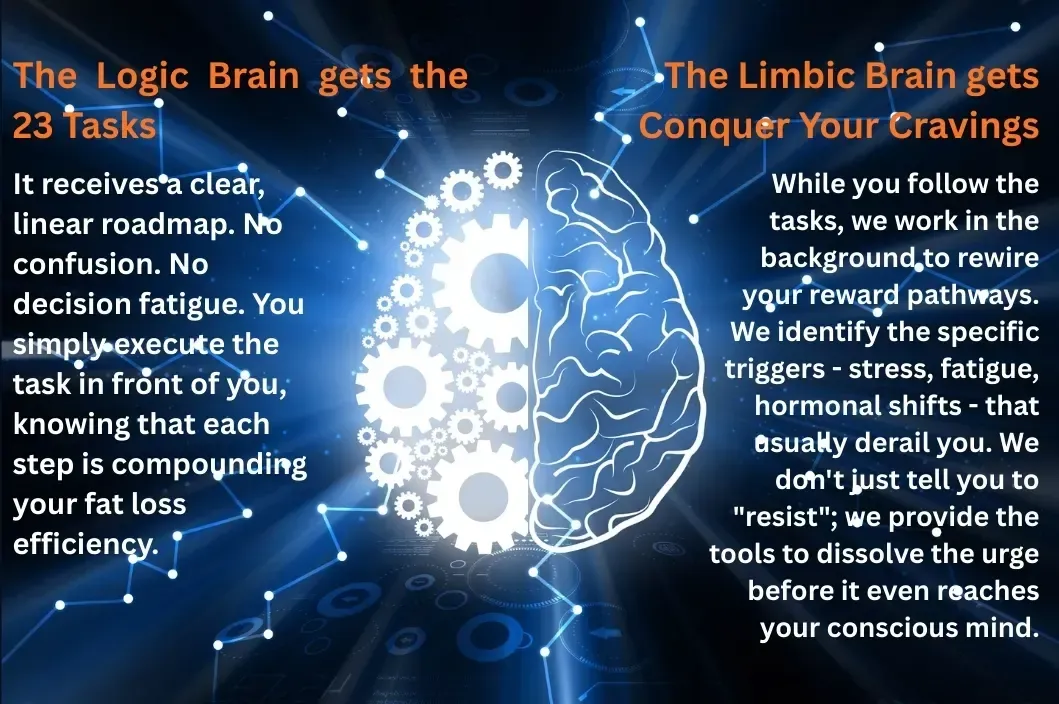
Jun 1 / 23 Tasks
1. Why Meal Planning is the Secret to Sustainable Fat Loss
When it comes to fat loss, most people focus on willpower, motivation, or cutting out entire food groups. But in reality, the most effective strategy isn’t trendy or extreme — it’s consistent meal planning. Planning what you’re going to eat removes decision fatigue, prevents impulse choices, and helps you stick to your calorie and protein goals without relying on willpower alone.
Meal planning builds consistency
The most successful fat loss isn’t driven by perfection, it’s driven by repetition. When your meals are planned ahead of time, you're not scrambling to make a decision while hungry or tired. You already have the ingredients, the meals are simple, and the plan is easy to follow. This kind of consistency — even if imperfect — leads to long-term success.
Why it works for fat loss
Meal planning helps you:
Control portion sizes without counting every calorie
Prioritize protein and fiber to keep you full
Avoid skipping meals or grabbing whatever’s available
Create structure around your eating, even during busy weeks
A study published in the International Journal of Behavioral Nutrition and Physical Activity found that regular meal planners had better diet quality and were less likely to be overweight — even without following a strict diet.
Protein-first planning for better results
Planning ahead also allows you to design meals around protein. This is key for sustainable fat loss because protein helps preserve muscle, reduces hunger, and supports your metabolism. If you’re not sure how to build your day around protein, we explain the concept fully in our article on easy weight loss strategies, which breaks down how small, repeatable actions can lead to big results.
It’s easier than you think
Meal planning doesn’t have to mean prepping seven containers of the same chicken and rice. It could be as simple as:
Writing out 2–3 meals you’ll repeat
Keeping a rotating list of high-protein snacks
Doing one 30-minute grocery shop with your plan in mind
Batch-cooking a few ingredients to mix and match throughout the week
By taking just 15–30 minutes to plan your meals for the week, you’ll save hours of indecision and reduce the number of off-track meals. Over time, this becomes second nature — and that’s exactly why meal planning is so powerful.
2. High-Protein, Low-Calorie Foods That Keep You Full
Fat loss becomes dramatically easier when you're not constantly hungry, and the secret to staying full on fewer calories is prioritizing protein. High-protein, low-calorie foods help control appetite, preserve muscle mass, and improve dietary adherence without requiring extreme restriction.
Why protein is essential during fat loss
Protein is the most satiating macronutrient, meaning it keeps you full longer than carbs or fat. It slows digestion, stabilizes blood sugar, and reduces the hunger hormone ghrelin. This makes it much easier to stick to a calorie deficit without feeling deprived.
According to this comprehensive review on protein and satiety, higher protein intake has been shown to naturally lower calorie consumption and reduce cravings, a major win for sustainable fat loss.
Top high-protein, low-calorie foods
Here are some of the best foods to build your meals around:
Chicken breast – 30g of protein per 100g and very lean
White fish (cod, pollock, haddock) – Low fat, high protein
Egg whites – Nearly pure protein with almost no calories
Low-fat Greek yogurt – Satisfying and quick to eat
Tofu and tempeh – Excellent plant-based protein sources
Lentils and black beans – Packed with both protein and fiber
Cottage cheese – High protein-to-calorie ratio
Protein powder – A convenient way to meet targets
Watch for low-protein traps
Many foods marketed as “healthy” are actually low in protein — think rice cakes, granola bars, or fruit smoothies. These can spike your blood sugar and leave you hungry again within an hour. Choosing foods with at least 10g of protein per serving is a good rule of thumb.
Our guide on how to stay motivated for weight loss explains how making smart food swaps like these builds momentum and keeps you moving forward — even when motivation dips.
Use protein density to guide your choices
Protein density refers to how much protein you get per calorie. The more protein-dense a food is, the easier it is to feel full without overshooting your calorie goal. If you're curious about how your current meals stack up, the USDA FoodData Central database is a great tool for checking protein and calorie content across thousands of foods.
By focusing on high-protein, low-calorie foods, you take the edge off hunger and make your fat loss plan far more sustainable — no willpower required.
3. How to Meal Prep for Weight Loss Without Spending Hours in the Kitchen
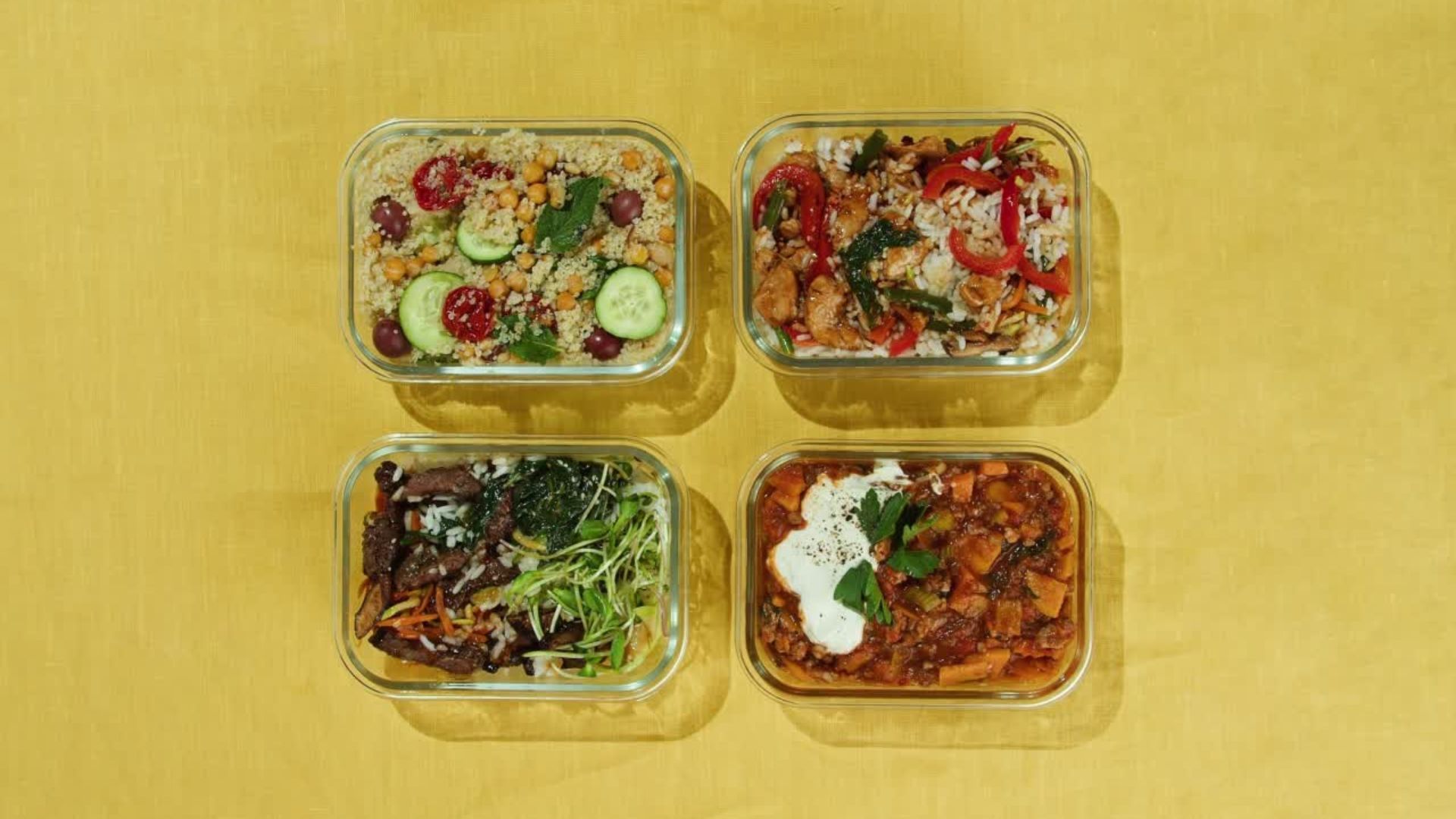
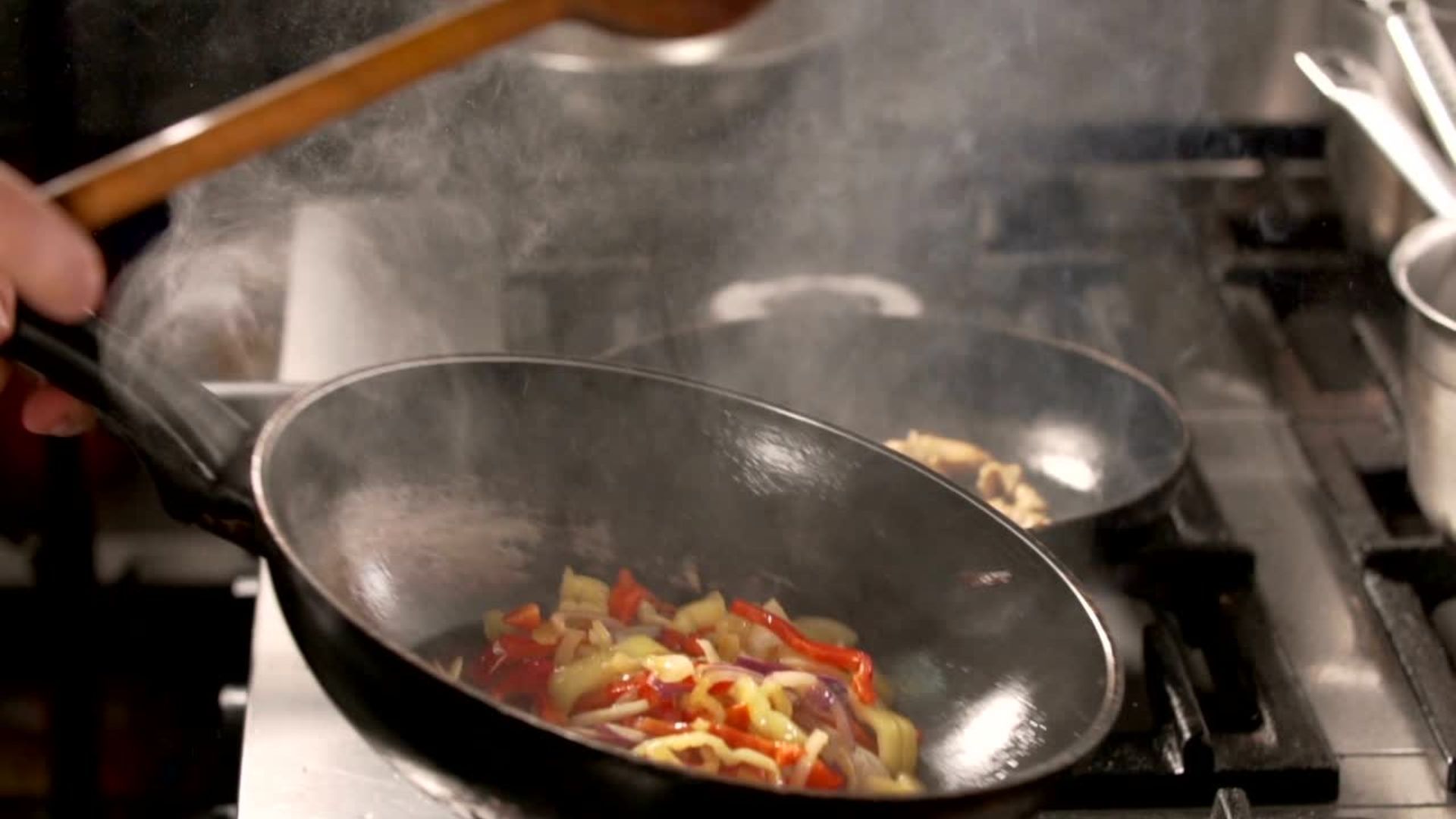
Meal prep has a reputation for being time-consuming, but it doesn’t have to be. You don’t need to spend your entire Sunday cooking a week’s worth of identical meals. In fact, some of the most effective meal preppers simply batch-cook a few core ingredients and mix and match them during the week.
Start with a protein base
The easiest way to begin is by cooking a few servings of lean protein. This could be:
Chicken breast or turkey mince
Hard-boiled eggs
Tofu or tempeh for plant-based eaters
Grilled fish or canned tuna
Lean beef or pork medallions
Having your proteins ready means most of the meal is done before you even start.
Add simple sides
Next, prepare a couple of carb and vegetable options:
Roast or steam vegetables in bulk
Cook brown rice, quinoa, or sweet potatoes
Rinse and drain canned beans or lentils
Pre-wash salad greens and store in airtight containers
Keep seasonings neutral so you can change flavors later using sauces or spices. That way, you don’t get bored.
Assemble, don’t over-plan
Instead of preparing seven identical meals, keep components separate and mix them based on what you feel like each day. Combine chicken with rice and broccoli one day, then pair the same chicken with roasted veg and hummus the next.
Make it sustainable, not perfect
If you miss a prep day, don’t scrap the whole plan. Use shortcuts like pre-cooked proteins, frozen vegetables, or protein shakes. A meta-analysis on meal prep interventions shows that people who plan and prep meals are more likely to maintain healthy dietary habits over time.
For more ideas on staying consistent even when motivation dips, check out our guide on how to stay motivated for weight loss, which includes practical ways to keep showing up even when life gets messy.
4. The Best Grocery Shopping Tips for Healthy Eating
Grocery shopping is where fat loss really begins. If it’s not in your kitchen, you can’t eat it — which is why the decisions you make in the supermarket matter even more than what happens at the dinner table. With the right habits, shopping can become your first line of defense against impulsive, unplanned eating.
Always go in with a list
A shopping list removes guesswork and keeps you focused. Write it based on your meal plan, and group items by category (protein, veg, pantry staples) to make your shop faster and more efficient.
Shop the perimeter
The outer edges of the store typically contain whole foods: produce, meat, fish, eggs, and dairy. The inner aisles are where you’ll find the most processed items — fine in moderation, but not the foundation of a weight loss diet.
Read before you grab
Don’t rely on packaging claims like “high-protein” or “low-fat.” Flip the item over and check the label. Focus on:
Protein content per 100g or per serving
Calories relative to protein
Ingredient list length (shorter is usually better)
According to the FDA’s guidance on reading food labels, consistently checking nutrition panels helps consumers make healthier, more informed choices over time.
If this sounds overwhelming, don’t worry — our post on easy weight loss strategies includes practical label-reading tips that make shopping quicker and more effective.
Buy with prep in mind
Choose foods that can be used in multiple meals. For example:
Greek yogurt for breakfast, snacks, or sauces
Eggs for omelets, baking, or hard-boiled snacks
Chicken thighs for roasting or slow cooking
Frozen vegetables to add to anything
Have go-to emergency options
Keep a few high-protein, ready-to-eat items in your kitchen for busy days. These could be:
Tinned tuna or salmon
Protein bars
Pre-cooked lentils
Ready-boiled eggs
Protein yogurts with long shelf lives
A successful week often comes down to what’s already in your fridge. If you stock it well, your decisions during the week get 10x easier.
Before you finish this article, here's some of our latest posts
Is fruit making you fat? Everything you need to know about fruit for weight loss
How to set realistic weight loss goals?
How do I build consistent healthy habits for weight loss?
What are effective strategies for managing cravings?
5. Easy, Nutritious Meal Ideas for Busy People
You don’t need elaborate recipes or hours in the kitchen to eat well. Some of the most effective weight loss meals are built with simple ingredients and can be assembled in minutes. The key is choosing foods that are high in protein, moderate in calories, and easy to prepare ahead of time or on the fly.
5-minute high-protein meals that work
These combinations are quick, balanced, and designed to keep you full:
Tuna + mixed beans + chopped veg + olive oil + lemon
Eggs + whole grain toast + sautéed spinach or mushrooms
Low-fat Greek yogurt + chia seeds + frozen berries
Chicken breast + microwaveable rice + steamed broccoli
Tofu stir-fry with pre-cut veg and soy-ginger sauce
Each of these includes:
A protein source
A fiber-rich component (vegetables or legumes)
Either a complex carbohydrate or healthy fat for sustained energy
Lean on strategic convenience foods
Busy schedules call for smart shortcuts, not compromise. Look for:
Pre-cooked grilled chicken or turkey
Canned fish (tuna, salmon, sardines)
Microwave-ready lentils or quinoa
Washed salad greens and frozen vegetable blends
Protein shakes or bars with high protein-to-calorie ratios
For nutritional breakdowns of these ingredients, the USDA FoodData Central offers accurate, searchable data on nearly every whole and packaged food.
The key is consistency. You don’t need to be creative, just prepared. If you’re looking for a sustainable framework for fitting healthy eating into a busy lifestyle, the 23 Tasks weight loss method shows how to keep things simple without sacrificing results.
6. Common Meal Planning Mistakes and How to Avoid Them
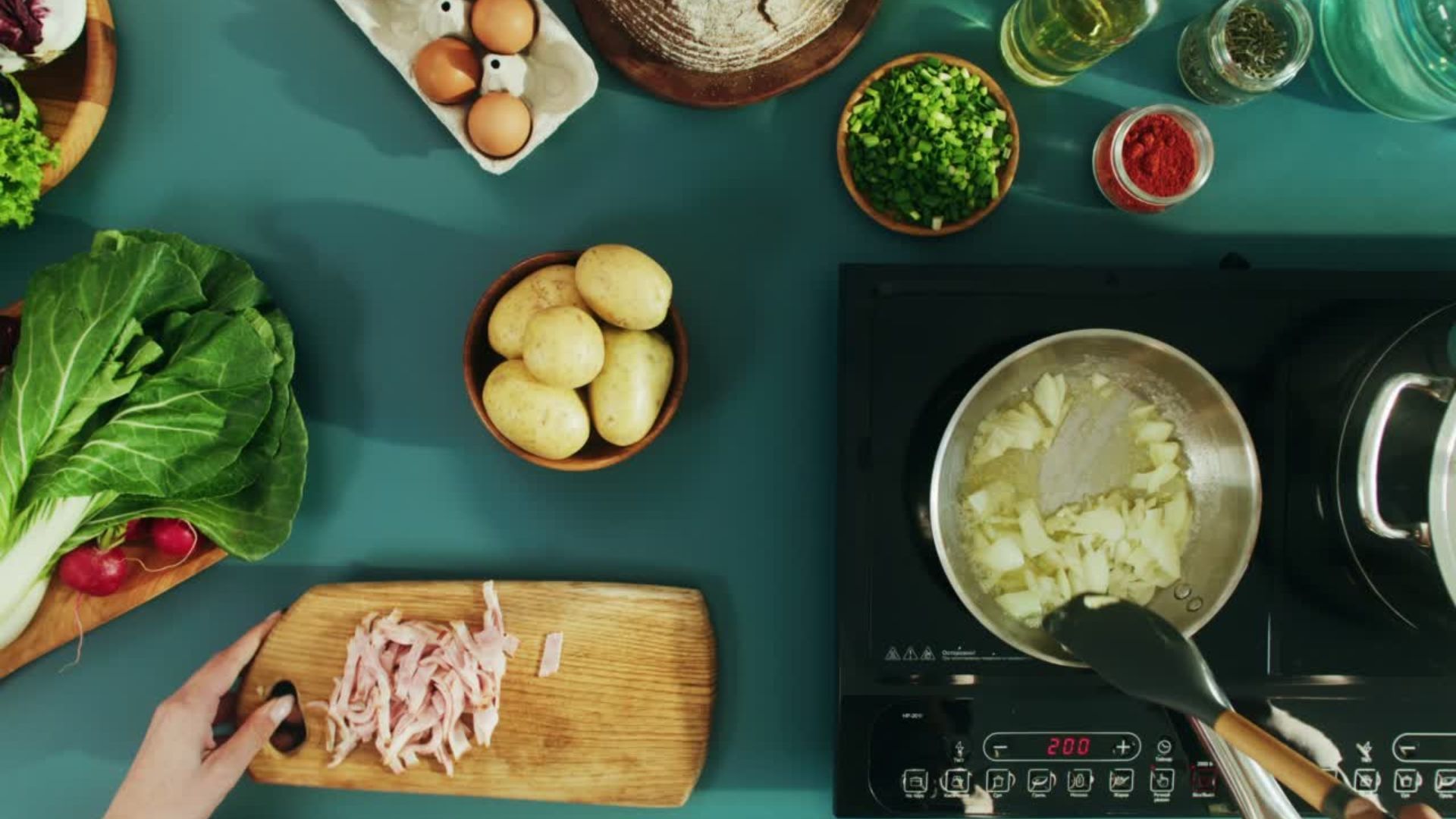
Even with the best intentions, meal planning can go off track if you fall into certain traps. Avoiding these common mistakes can save you time, reduce frustration, and improve your fat loss outcomes.
Mistake 1: Focusing on carbs and skipping protein
Many people unintentionally base their meals around carbs — pasta, rice, crackers — without a solid protein source. This leads to hunger, snacking, and difficulty maintaining muscle during fat loss. Every meal should include at least 20–30g of protein, whether that comes from eggs, poultry, fish, tofu, or dairy.
Mistake 2: Overcomplicating your plan
Planning seven unique meals per week can be overwhelming. Instead:
Repeat 2–3 meals that you enjoy
Keep ingredients simple
Batch cook one or two proteins and build meals around them
Mistake 3: Not planning snacks
Snacks are part of the plan, not the enemy. When you're unprepared, you're more likely to reach for processed options. Ideal snacks include:
Greek yogurt
Boiled eggs
Cottage cheese
Protein shakes or bars
Roasted chickpeas or edamame
Mistake 4: All-or-nothing thinking
Missing a prep day or eating out doesn’t mean you’ve failed. Perfection is not required. A flexible approach that allows for setbacks is far more effective over time.
A randomized control trial on weight loss behavior found that flexible eaters were more successful at long-term weight management than rigid dieters. Building habits around preparation, not perfection, is the key — something we dive into in our post on habit formation for weight loss.
Mistake 5: Ignoring food fatigue
Eating the same thing every day can lead to burnout. Instead of changing your entire plan each week, keep the structure the same and vary the seasonings or sides. For example, chicken with rice and veg can taste completely different with a lemon-herb marinade one day and a smoky paprika rub the next.
Avoiding these mistakes means you’ll be more likely to stick with your plan, get better results, and actually enjoy the process.
FAQ: Meal Planning for Sustainable Fat Loss
1. Why does meal planning help with fat loss?
It reduces impulse eating, improves consistency, and helps control calories without relying on willpower.
2. What are the benefits of high-protein meals during weight loss?
Increased satiety
Reduced cravings
Muscle preservation
Higher thermic effect of food
3. What are some quick high-protein meals for busy people?
Greek yogurt with berries and chia seeds
Tuna with beans and salad
Chicken with microwave rice and steamed veg
Eggs with whole grain toast
4. How much protein should each meal contain?
Aim for 20–30 grams of protein per main meal to support satiety and muscle retention.
5. What’s a protein-dense food?
A food that provides a high amount of protein relative to its calorie content, like chicken breast or egg whites.
6. Can I meal prep if I’m short on time?
Yes. Batch cook protein, wash vegetables, and use convenience items like canned beans or frozen grains.
7. What are some common meal planning mistakes?
Forgetting to include protein
Making plans too complex
Ignoring snacks
Expecting perfection
Repeating the same meal until burnout
8. How do I know if a food is low in protein?
Check the nutrition label. Look for less than 5g of protein per 100g or per serving as a red flag.
9. What are good high-protein snacks?
Cottage cheese
Boiled eggs
Protein shakes
Roasted chickpeas
Edamame
10. What role do habits play in successful meal planning?
Habits automate healthy choices and reduce decision fatigue, which leads to better consistency and results.
11. Is eating the same meals every day okay?
Yes, if it keeps things simple and enjoyable. You can rotate spices or sides to prevent boredom.
12. How do I read nutrition labels effectively?
Focus on:
Protein per serving
Calories
Ingredient length and clarity
Use the FDA’s label guide for detailed help.
13. How can I avoid low-quality "healthy" food marketing?
Ignore front-of-pack claims. Read the actual nutrition facts and ingredients instead.
14. What’s the best time of day to prep meals?
Whenever you’re consistent — often Sunday or midweek evenings work well.
15. Can frozen or canned foods be part of a healthy meal plan?
Yes. Choose low-sodium and no-sugar-added versions when possible.
16. Why do so many diets fail?
Most fail due to inconsistent habits, unrealistic rules, and lack of flexibility not because of lack of motivation.
17. Is it okay to eat out while following a meal plan?
Yes, if you plan ahead, focus on protein, and avoid ultra-processed or fried options.
18. How do I deal with food fatigue?
Keep the meal structure consistent but vary flavors, sauces, or seasoning blends weekly.
19. Should I track calories while meal planning?
It’s optional. A protein-first approach with portion awareness can be effective without full tracking.
20. How can I stay motivated with meal prep long-term?
Simplify your system, keep favorite ingredients on hand, and review your progress regularly. For more, see our guide on staying motivated for weight loss.
References
Meal Planning and Body Weight
Ducrot P, Méjean C, Aroumougame V, et al. "Meal planning is associated with food variety, diet quality and body weight status in a large sample of French adults." International Journal of Behavioral Nutrition and Physical Activity, 2017.
Read the studyHome Meal Prep and Dietary Outcomes
Mills S, Brown H, Wrieden W, et al. "Frequency of eating home cooked meals and potential benefits for diet and health: cross-sectional analysis." Public Health Nutrition, 2017.
Read the analysisProtein and Satiety
Paddon-Jones D, Westman E, Mattes RD, et al. "Protein, weight management, and satiety." American Journal of Clinical Nutrition, 2008.
Read the reviewProtein Intake and Appetite
Leidy HJ, Tang M, Armstrong CL, et al. "The influence of higher protein intake and greater eating frequency on appetite control." American Journal of Clinical Nutrition, 2007.
Read the studyThermic Effect of Protein and Energy Balance
Halton TL, Hu FB. "The effects of high protein diets on thermogenesis, satiety and weight loss." Journal of the American College of Nutrition, 2004.
Read the abstractFood Label Education
U.S. Food and Drug Administration. "How to Understand and Use the Nutrition Facts Label."
Read the guideFood Composition Database
U.S. Department of Agriculture. "FoodData Central – Nutrient Database."
Explore the databaseHabit Formation and Health Behaviors
Gardner B, Lally P, Wardle J. "Making health habitual: the psychology of 'habit-formation' and general practice." British Journal of General Practice, 2012.
Read the article