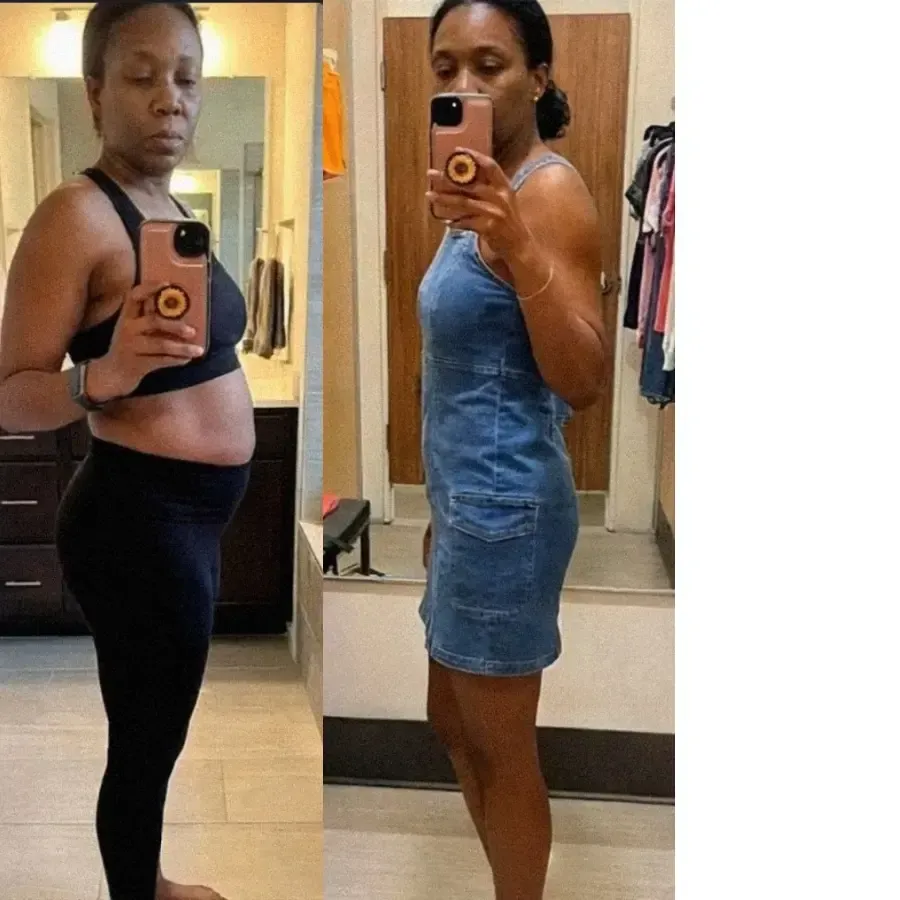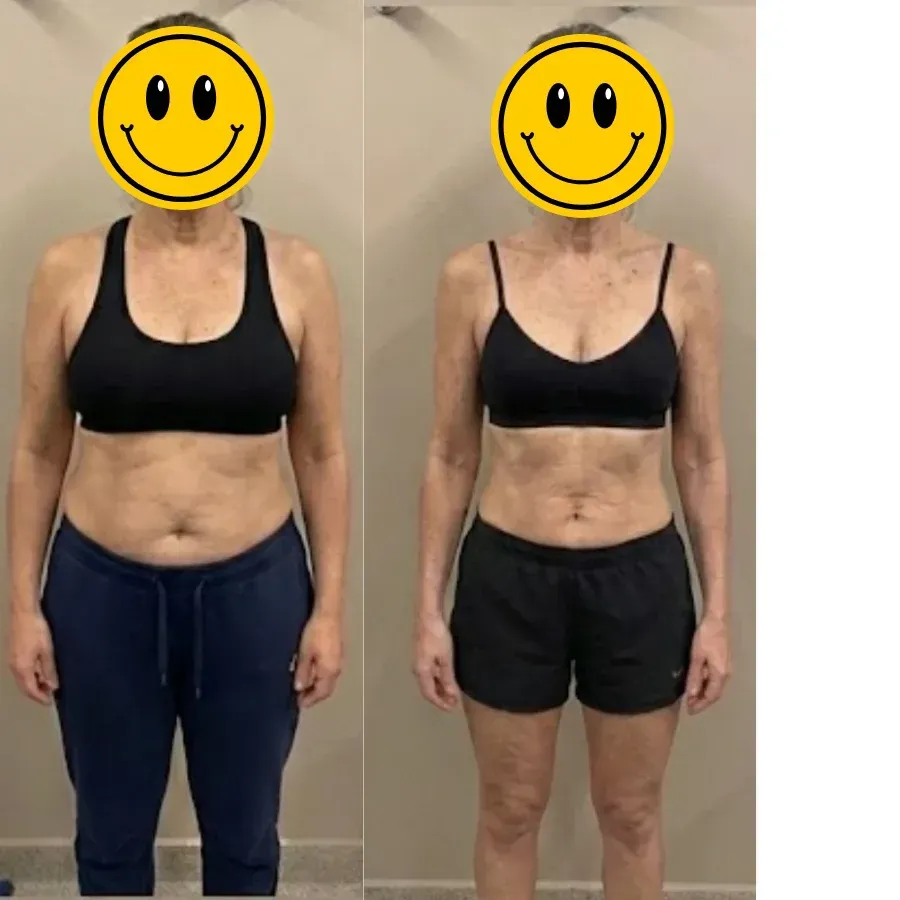

How to Build Weight Loss Habits That Stick (Backed by Science)
How to Build Weight Loss Habits That Stick (Backed by Science)
Learn the psychology behind habit formation and how small daily changes lead to long-term weight loss success. Say goodbye to yo-yo dieting for good!
1. Why Small Daily Changes Lead to Big Weight Loss
Lasting weight loss doesn’t come from overhauling your entire lifestyle overnight. It comes from small, repeated actions that feel manageable, things you can do daily without burning out. These small changes compound over time, leading to real transformation without relying on motivation or willpower.
The power of consistency
Eating one high-protein meal won’t change your body. But doing it every day for six weeks will. Walking once won’t shift your metabolism, but adding movement to your routine every day creates momentum. This principle, tiny actions, repeated consistently, is what separates sustainable results from short-term fixes.
Small changes are easier to stick with
Massive overhauls often fail because they’re overwhelming. On the other hand, small tweaks are:
Easier to implement
Less disruptive to your life
Less likely to trigger resistance or burnout
More likely to become long-term habits
Research supports this. A study in the European Journal of Social Psychology found that repeating a small behavior daily in the same context led to automaticity, meaning it became a habit, in as little as 18 to 66 days, depending on the behavior’s complexity.
If you’re wondering where to start, focus on just one or two foundational habits. Our guide on easy weight loss strategies lays out practical ways to begin without making your life harder.
Momentum beats motivation
Trying to “feel motivated” every day is unrealistic. But when your actions are simple, repeated, and easy to fit into your routine, they become self-sustaining. That’s how small changes lead to big weight loss, not by doing everything perfectly, but by doing the right things consistently.
2. The Science Behind Habit Formation and Weight Loss
Habit formation isn’t just a motivational buzzword, it’s a neurological process. When you repeat an action in a consistent context, your brain starts to automate that behavior. Over time, it requires less effort, less thinking, and less discipline. That’s how habits make weight loss easier, by turning intentional actions into automatic ones.
How habits are formed
According to habit science, every habit follows a cue–routine–reward loop:
Cue – A trigger that reminds you to act (e.g. waking up, finishing work)
Routine – The behavior itself (e.g. preparing a healthy lunch)
Reward – The benefit or satisfaction you receive (e.g. energy, feeling full)
Repeat this loop enough times and your brain begins to automate the process, reducing the need for conscious effort.
Why habits matter for fat loss
Weight loss is not a one-time project, it’s the result of hundreds of small decisions made daily. Habits allow you to:
Eat better without tracking every bite
Move more without scheduling workouts
Sleep better without forcing yourself to
Feel less mental fatigue from constant decision-making
A 2012 study on habit-based interventions found that participants who focused on building automatic behaviors, rather than just relying on motivation, saw greater improvements in long-term dietary adherence and weight management.
Start with what fits your current lifestyle
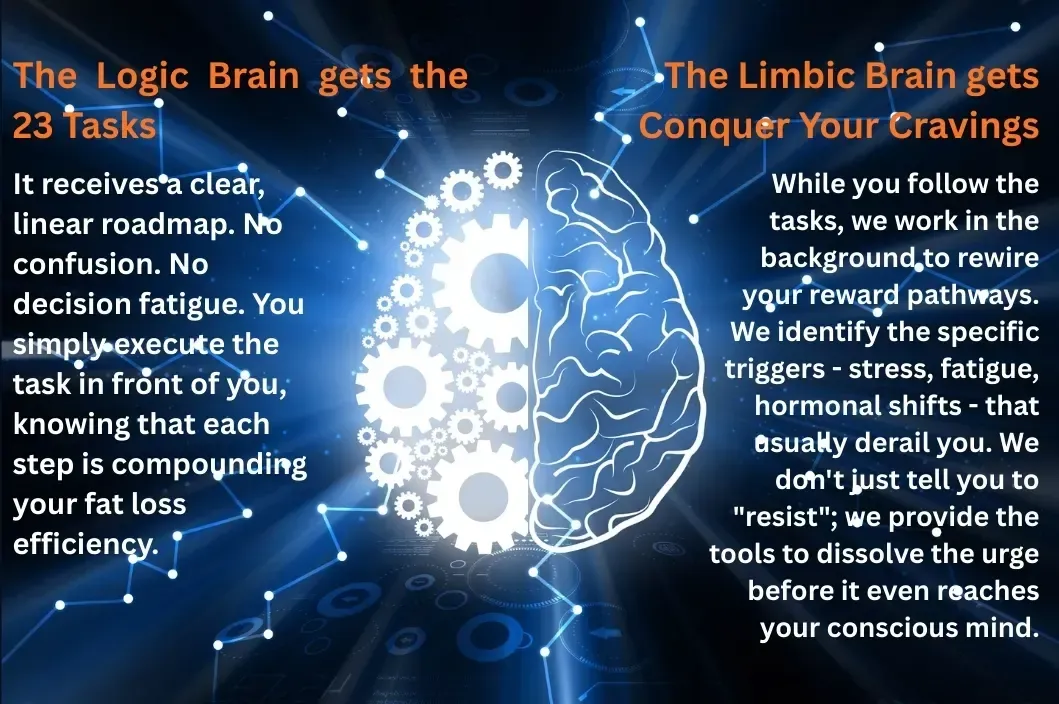
The best habits aren’t based on ideal conditions, they’re based on your actual routine. That’s why our 23 Tasks method focuses on making weight loss fit into your life instead of forcing your life to fit a diet.
Don’t aim for perfect, aim for automatic
Habits are what keep you moving when motivation disappears. By understanding the science behind them, you gain the power to shape your environment and routines in a way that supports your goals without daily struggle.

3. How to Use Habit Stacking for a Healthier Lifestyle
If you're struggling to build new healthy routines, habit stacking might be the tool you're missing. It’s a simple but powerful method that helps you attach a new behavior to an existing habit, making it far more likely to stick.
What is habit stacking?
Habit stacking is a technique based on the cue–routine–reward model. Instead of creating new routines from scratch, you "stack" them onto existing ones. For example:
After you brush your teeth at night, you track your total calories
After you take off your work clothes, you put on your shoes for exercise
After you clean up dinner, you pack tomorrow’s lunch
These small stacks become part of a larger routine that feels natural and low-effort.
Why it works
Your brain already recognizes the cue, so adding a small behavior to it requires much less willpower than starting from zero. Over time, this repetition helps solidify the new behavior into your daily rhythm.
According to behavioral researcher BJ Fogg, stacking habits onto existing ones is one of the fastest ways to create new, long-lasting routines. This technique is detailed in his Stanford behavior design research and in related studies on behavior change strategies. A study in Frontiers in Psychology found that implementation intentions, like habit stacking, significantly improved follow-through on health behaviors, especially when tied to specific cues.
How to build a habit stack that supports weight loss
Start with something you're already doing every day. Then link a health-supporting habit to it:
Before breakfast, drink a glass of water
After brushing your teeth, prep a high-protein snack for later
After you get home, change into activewear to encourage movement
If you’re new to this approach, start small and build slowly. Our post on easy weight loss strategies includes more examples that fit seamlessly into a busy routine.
4. Overcoming Common Psychological Barriers to Weight Loss
Weight loss is not just a physical challenge, it’s a psychological one. Emotional eating, perfectionism, negative self-talk, and unrealistic expectations can sabotage even the best plan. To succeed long-term, these mental roadblocks need to be addressed head-on.
Barrier 1: All-or-nothing thinking
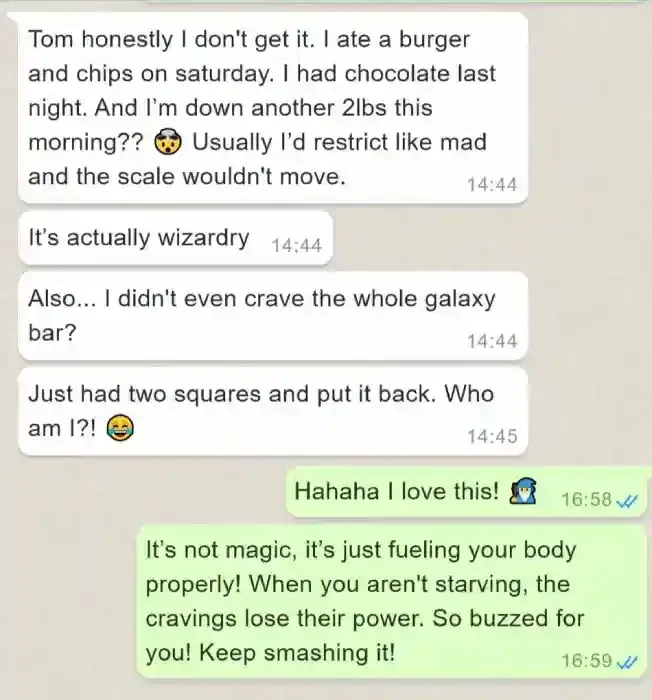
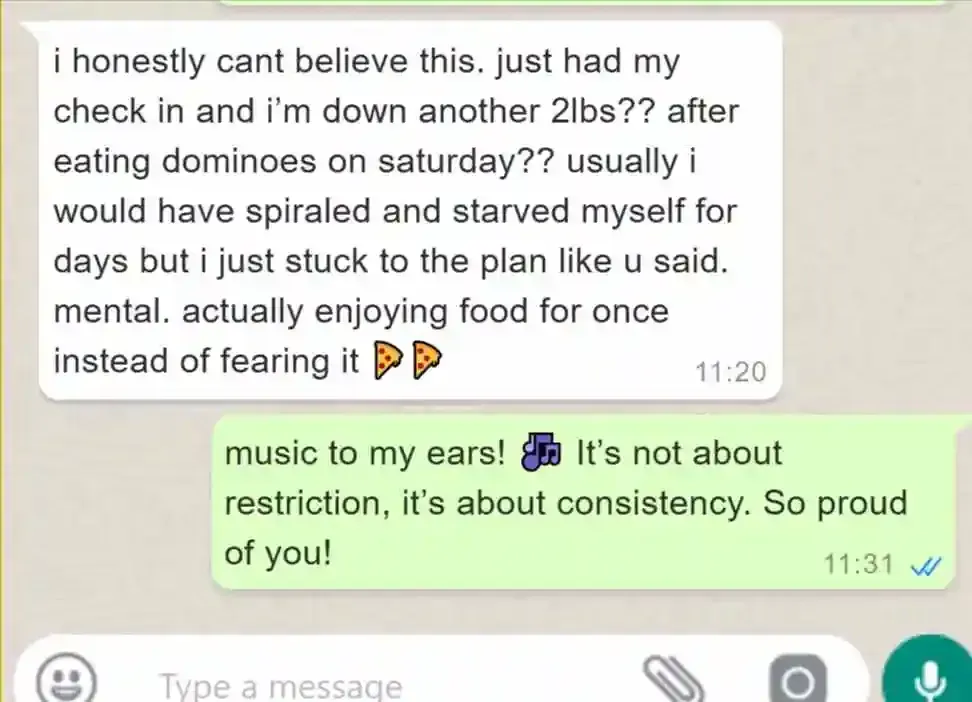
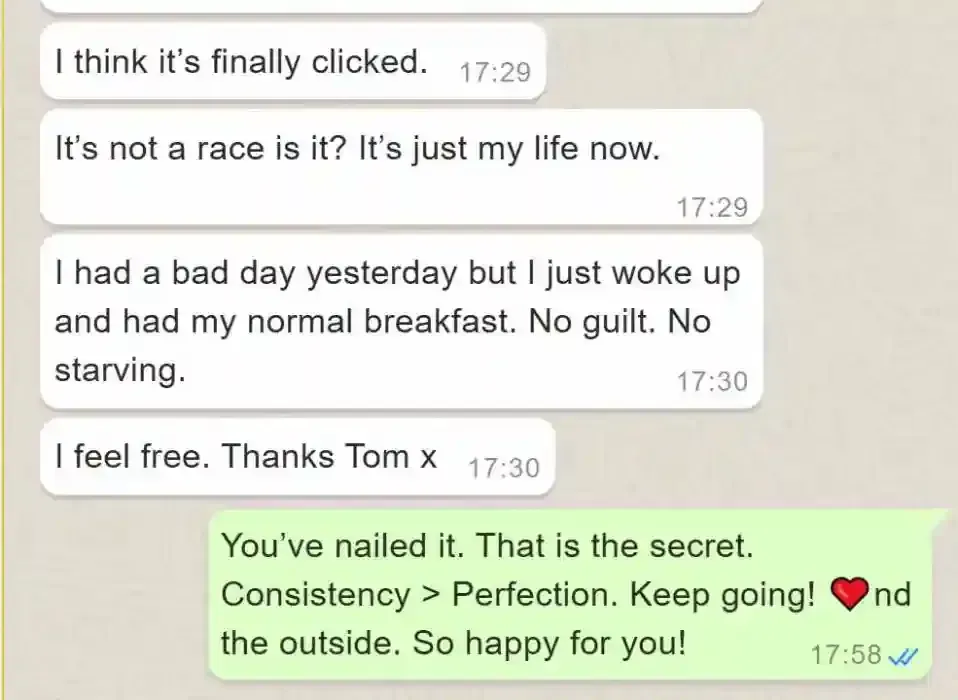
Many people believe they must be perfect to succeed. One off-plan meal becomes a "failure," which spirals into quitting. In reality, progress comes from consistency, not perfection. Missing one workout or overeating once doesn’t undo your results, giving up entirely does.
Barrier 2: Emotional eating
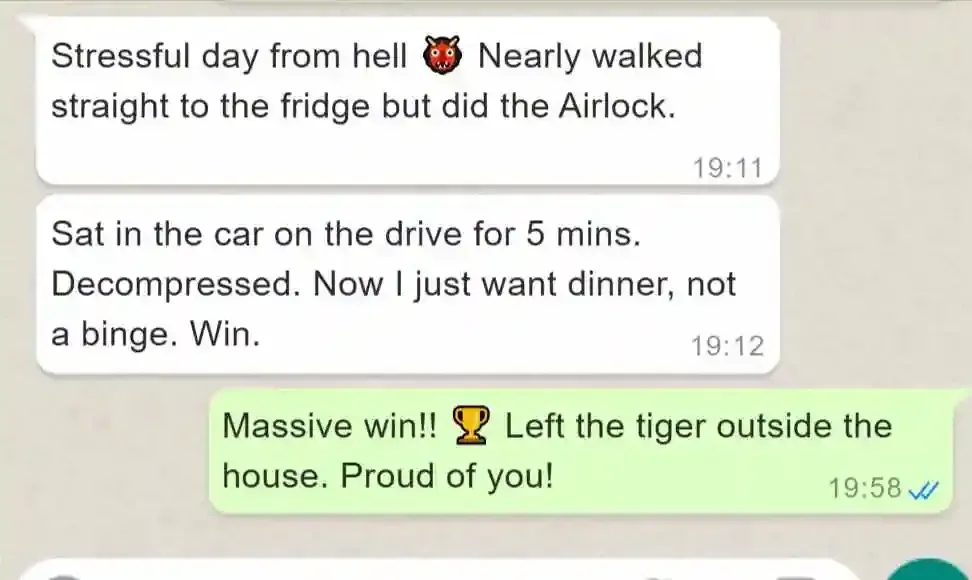
Stress, boredom, sadness, and anxiety can trigger cravings for comfort foods, especially sugar and ultra-processed snacks. Recognizing emotional triggers is step one. Replacing the food response with a non-food strategy (e.g., going for a walk, journaling, calling a friend) builds awareness and breaks the loop.
Barrier 3: Unrealistic expectations
Quick fixes promise rapid results, but sustainable weight loss is gradual. The CDC recommends 1–2 pounds per week as a safe and maintainable pace. A review in Obesity Reviews confirmed that slow, behavior-focused approaches lead to better long-term outcomes than aggressive, short-term methods.
Barrier 4: Lack of self-compassion
Research has shown that people who treat themselves with kindness after setbacks are more likely to recover quickly and keep going. Beating yourself up for slipping only reinforces a negative cycle. Self-compassion is not weakness, it's a psychological tool that protects your momentum.
If you’re navigating some of these internal struggles, you’ll benefit from our article on common weight loss mistakes to avoid, which covers mindset shifts that lead to better consistency.
Changing your psychology changes your behavior
You don’t need to “try harder”, you need better systems and realistic expectations. Address the barriers that are holding you back, and the weight loss process becomes far less frustrating.
Before you finish this article, here's some of our latest posts
Is fruit making you fat? Everything you need to know about fruit for weight loss
How to set realistic weight loss goals?
How do I build consistent healthy habits for weight loss?
What are effective strategies for managing cravings?
5. The Role of Identity Shifts in Building Lasting Habits
Lasting weight loss isn’t just about changing your actions, it’s about changing your identity. When you start to see yourself as a healthy person, your behaviors begin to align with that belief. This internal shift is one of the most powerful forces in long-term habit formation.
“I’m the kind of person who…”
Identity-based habits are different from outcome-based goals. Instead of saying, “I want to lose 20 pounds,” you begin with, “I’m someone who makes healthy choices.” This subtle change reframes your behavior:
“I go for a walk after dinner because I’m active.”
“I meal prep because I take care of my health.”
“I skip soda because I don’t drink sugar.”
These statements become part of how you see yourself, not just what you do occasionally.
Behavior reinforces identity
Your brain builds identity through evidence. Every healthy action becomes proof of who you are. The more consistent the behavior, the more deeply the identity sticks. A study published in Health Psychology Review found that identity-based health goals were significantly more likely to lead to sustained behavior change than outcome-based goals alone.
Why this matters for weight loss
People who see themselves as “on a diet” often return to old habits when the diet ends. But those who internalize the identity of someone who values health continue those behaviors long after the goal is reached.
If you want to start aligning your actions with a stronger identity, our article on staying motivated for weight loss breaks down how to anchor your habits in something deeper than just results.
6. Five Simple Daily Habits to Help You Lose Weight
The most effective weight loss habits are the ones that feel easy and repeatable. You don’t need a full meal plan or a rigid exercise schedule to start making progress. Instead, focus on a few key actions that deliver results without overwhelming your day.
1. Eat a high-protein breakfast
Starting your day with protein helps control appetite and reduces cravings throughout the day. Great options include:
Eggs and whole grain toast
Greek yogurt with chia seeds
Tofu scramble with veg
Cottage cheese with berries
2. Walk after one or more meals
A short walk after eating improves blood sugar control, supports digestion, and boosts daily movement. A meta-analysis in Sports Medicine found that post-meal walking significantly reduced blood glucose spikes, a key factor in fat storage and hunger regulation.
3. Plan your next day’s meals
Spending 5–10 minutes planning what you’ll eat tomorrow removes guesswork and reduces decision fatigue. You’re more likely to stay on track when healthy choices are already in place. For a simple approach, check out our meal planning guide for weight loss.
4. Keep protein-forward snacks ready
Having high-protein snacks on hand reduces the chances of grabbing processed or sugary options. Try:
Boiled eggs
Tuna packets
Cottage cheese
Protein shakes or bars
5. Reflect briefly on your wins
End each day by noting one small success. This trains your brain to focus on progress, which improves self-efficacy and consistency. Even something as simple as “I chose water over soda” reinforces the identity of someone who makes healthy choices.
Building daily habits doesn’t require perfection, just repetition. Focus on actions that take 5 minutes or less and that you can do even on your busiest days. That’s how real momentum is built.
FAQ: Habit Formation and Weight Loss
1. What is the best way to build a weight loss habit?
Start small and attach it to something you already do:
Drink water after brushing your teeth
Take a walk after lunch
Prep protein snacks after dinner
2. How long does it take to form a habit?
On average, 18–66 days depending on complexity and consistency.
3. Why do small changes work better than big ones?
They’re:
Easier to stick with
Less likely to trigger burnout
More sustainable long-term
4. What is habit stacking?
It’s the practice of linking a new habit to an existing one. Example: “After I make coffee, I’ll take my vitamins.”
5. What’s the difference between a habit and a goal?
A goal is something you achieve once
A habit is something you do consistently, often automatically
6. Can I lose weight with just small daily habits?
Yes. Small, consistent actions like walking more and eating more protein add up to real results over time.
7. What are identity-based habits?
Habits rooted in how you see yourself. Example: “I’m someone who eats healthy” instead of “I’m on a diet.”
8. How do I change my identity around food?
Repeat new behaviors consistently
Celebrate small wins
Reinforce positive self-talk
9. What if I mess up my routine?
That’s normal. Just reset and keep going. Consistency matters more than perfection.
10. How do I stop emotional eating?
Identify your triggers
Replace food with another response
Practice self-awareness and self-compassion
11. Why do restrictive diets fail?
They’re unsustainable and rely too heavily on willpower. Flexible, habit-based approaches work better long term.
12. What are some easy daily weight loss habits?
High-protein breakfast
Meal prep the night before
Walk after meals
Keep healthy snacks ready
Reflect on daily wins
13. How do I stay motivated to lose weight?
Focus on identity-based habits
Track small wins
Avoid all-or-nothing thinking
Use reminders and cues to stay on track
14. What are psychological barriers to fat loss?
Perfectionism
Emotional eating
Negative self-talk
Unrealistic expectations
15. How do I make healthy eating automatic?
Plan meals in advance
Keep go-to options stocked
Build routines around existing habits
16. Can mindset really affect my results?
Yes. Studies show self-compassion, positive identity, and realistic expectations are linked to greater success.
17. What’s the fastest way to build a healthy habit?
Link it to an existing routine and repeat it daily until it feels automatic.
18. How do I avoid weight loss burnout?
Keep goals realistic
Focus on habits, not outcomes
Build in flexibility
Recognize progress, even when it’s small
19. Should I track habits?
Yes. Tracking increases awareness and consistency. Even a simple checklist or calendar works.
20. Where should I start?
Choose one habit you can do today. Our 23 Tasks method offers a step-by-step way to build them over time.
References
Time Required to Form a Habit
Lally P, van Jaarsveld CHM, Potts HW, Wardle J. "How are habits formed: Modelling habit formation in the real world." European Journal of Social Psychology, 2010.
Read the studyEffectiveness of Habit-Based Interventions
Gardner B, Lally P, Wardle J. "Making health habitual: the psychology of habit-formation and general practice." British Journal of General Practice, 2012.
Read the paperIdentity and Behavior Change
Oyserman D, Fryberg SA, Yoder N. "Identity-based motivation and health." Health Psychology Review, 2007.
Read the abstractImplementation Intentions and Behavior Adherence
Bélanger-Gravel A, Godin G, Amireault S. "A meta-analytic review of the effect of implementation intentions on physical activity." Frontiers in Psychology, 2013.
Read the studySelf-Compassion and Health Behavior
Sirois FM, Kitner R, Hirsch JK. "Self-compassion, affect, and health-promoting behaviors." Health Psychology, 2015.
Read the studyPost-Meal Walking and Blood Sugar Control
Reynolds AN, Mann JI, Williams S, et al. "Advice to walk after meals is more effective for lowering postprandial glycemia in type 2 diabetes than advice that does not specify timing." Sports Medicine, 2019.
Read the meta-analysisSlow vs. Fast Weight Loss Outcomes
Astrup A, Raben A, Geiker NRW. "The role of higher protein diets in weight control and obesity-related comorbidities." Obesity Reviews, 2015.
Read the review