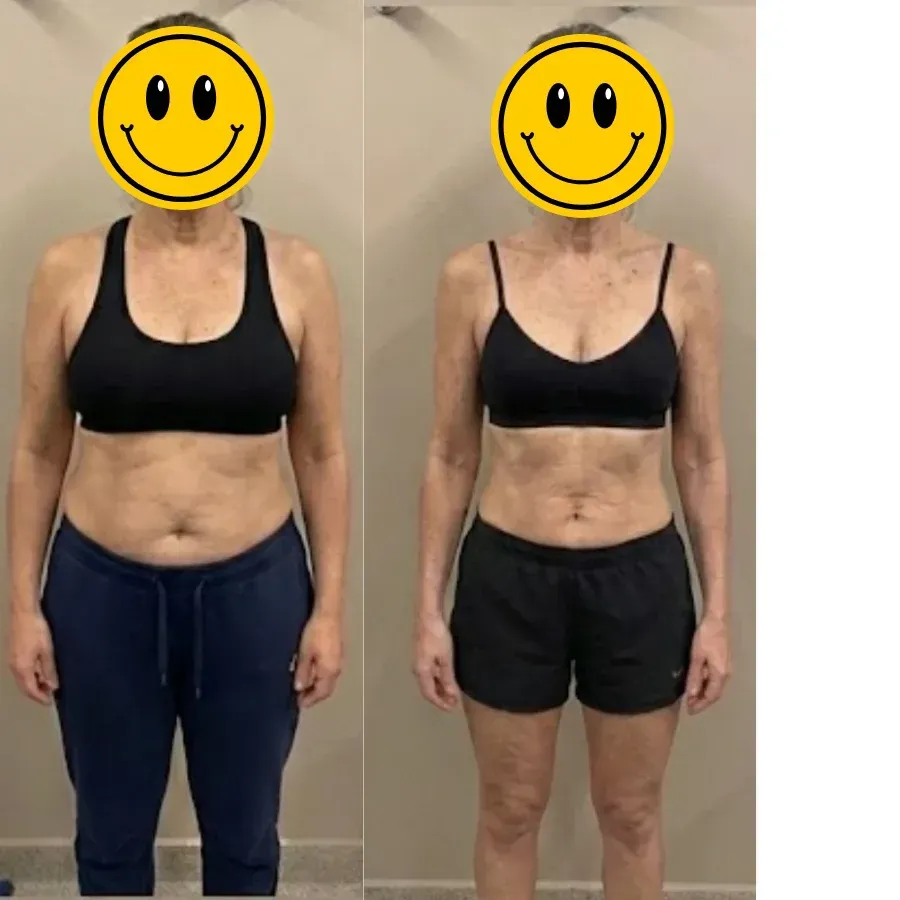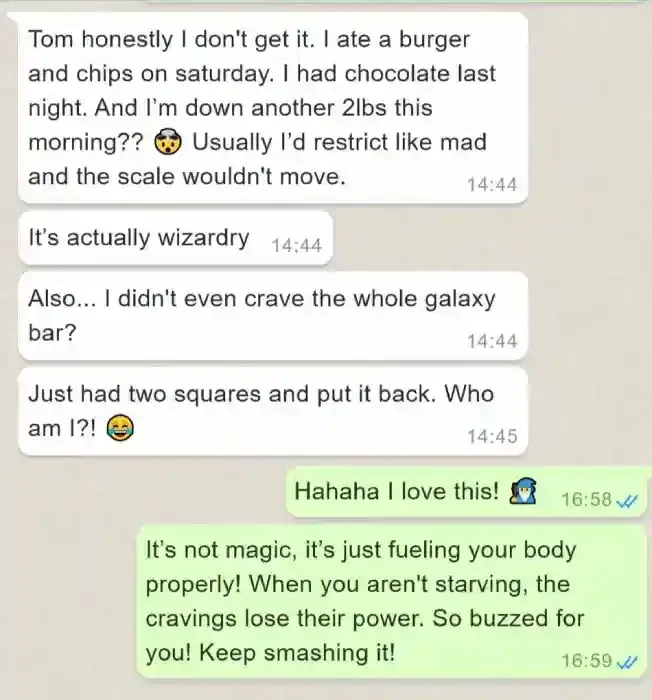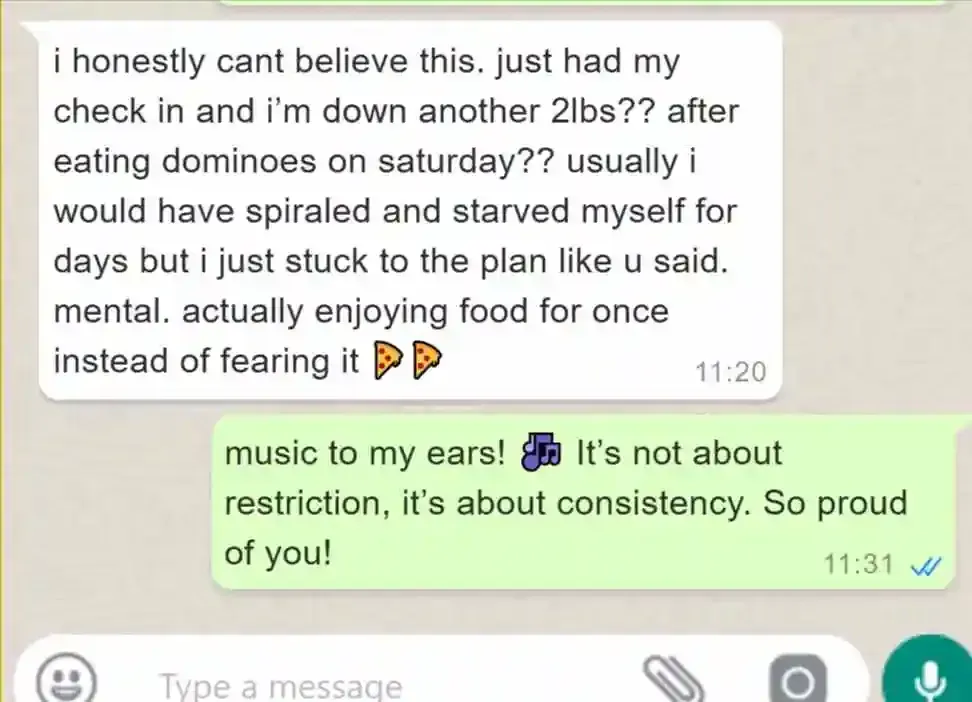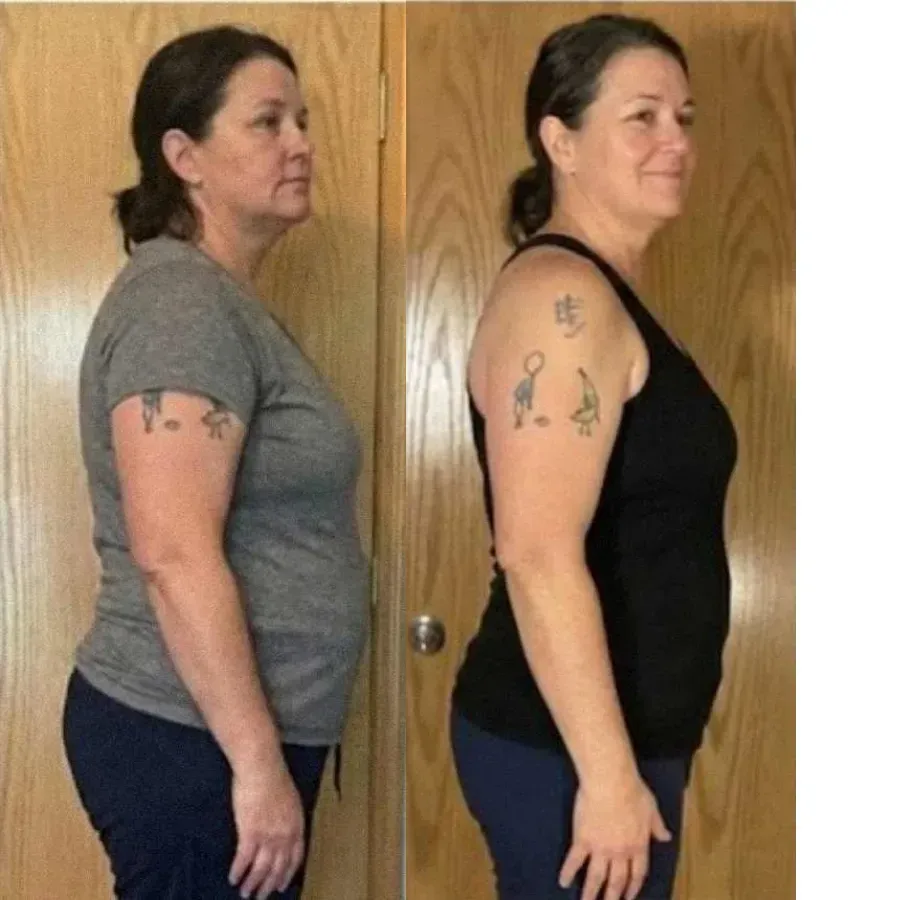
The 23 Tasks Weight Loss Method, Explained – A Smarter Way to Lose Weight
The 23 Tasks Weight Loss Method, Explained – A Smarter Way to Lose Weight
Discover how 23 Tasks to Weight Loss helps you build sustainable habits for long-term weight loss. No extreme diets, no intense exercise. Build small habits that fit into your lifestyle.
What is the 23 Tasks to Weight Loss method?
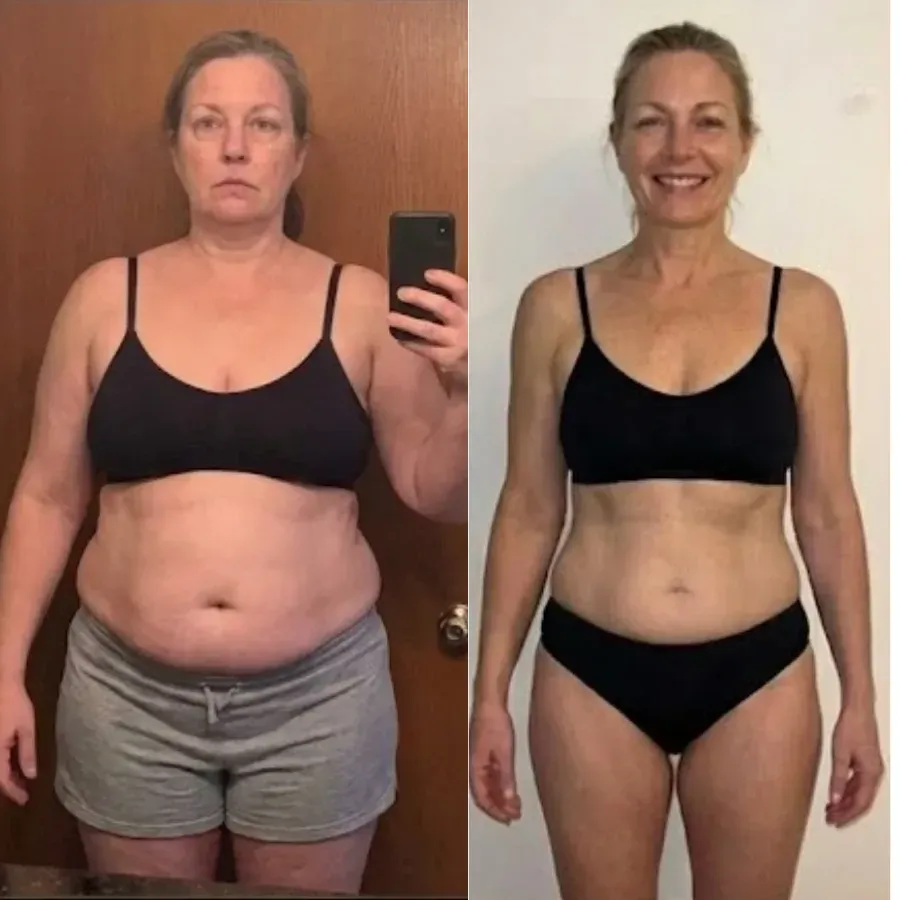
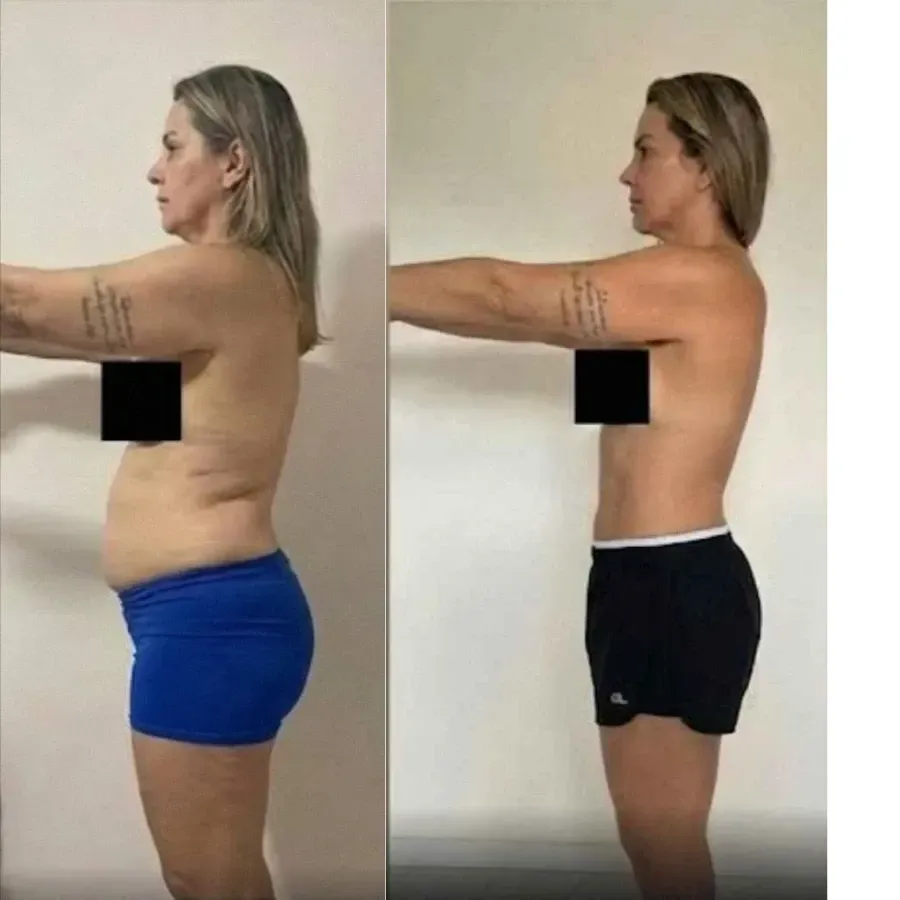
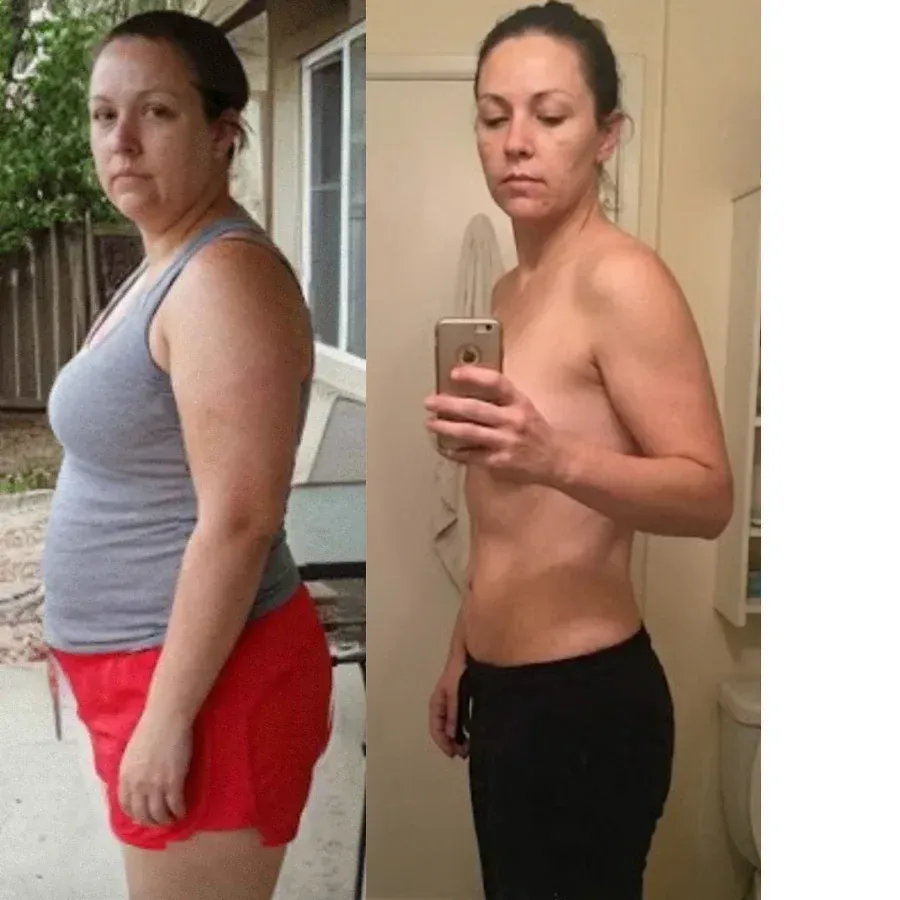
The 23 Tasks to Weight Loss method is a structured, habit-based approach designed to help you lose weight without extreme dieting or intense exercise. Instead of focusing on temporary fixes, it teaches you how to make lasting changes that fit into your daily life. Each task builds on the last, creating a steady, manageable path towards sustained weight loss.
How the 23 Tasks Method Works
Many weight loss plans rely on restrictive rules, but the 23 Tasks approach prioritizes behavior change. Research has shown that long-term weight management is more successful when people focus on sustainable habit formation rather than quick diet fixes. For example, a study on behavioral weight loss interventions found that structured, step-based approaches led to greater long-term success compared to traditional dieting methods.
Here’s why the 23 Tasks to Weight Loss method is different:
Gradual, Habit-Based Approach – Each task introduces a small, manageable change that helps build momentum.
No Extreme Dieting – The focus is on making better food choices rather than eliminating entire food groups.
No Intense Exercise – Physiologically, there's a maximum amount of fat the body can lose each day. At a certain point, the body says, 'No more fat loss,' and will start to lose muscle instead which can have huge deblitating effects. You can achieve the maximum amount of fat loss through simple, casual exercise like walking. There's no need for overkill.
Research-Backed Strategies – 23 Tasks aligns with well-backed research from multiple studies that emphasize behavioral changes over restrictive dieting.
Why the 23 Tasks Method is Effective
Instead of forcing rapid weight loss through unsustainable methods, the 23 Tasks approach ensures steady progress. By gradually replacing old habits with better ones, the process feels natural, making it easier to stick with long term.
A major reason traditional diets fail is that they rely on willpower instead of habit-building. However, studies show that structured, behavior-focused programs can significantly increase the chances of maintaining weight loss. By following a clear, step-by-step structure, the 23 Tasks method removes the guesswork and helps you focus on making the right choices consistently.
Most people focus on what they should eat, but they overlook how they make decisions around food. Building lasting change is more about consistent routines than bursts of motivation. If you want to understand how small daily choices lead to big results, this guide on habit formation and weight loss explains how habits drive success more than willpower ever could.
How the 23 Tasks Method Creates Lasting Change
The 23 Tasks method is designed for long-term success. Instead of relying on willpower, it teaches you how to create automatic, healthy habits that become second nature over time.
The Power of Habit Formation
Many people struggle with weight loss because they try to change too much at once. Research on habit formation suggests that small, gradual changes are more effective than sudden, drastic shifts. A study on habit formation and weight loss found that individuals who focused on building one healthy habit at a time were significantly more likely to maintain weight loss over the long term.
The 23 Tasks method follows this same principle by introducing small, manageable steps that slowly reshape your eating habits, food choices, and overall lifestyle.
Why Small Steps Work
When changes are too extreme, they often feel unsustainable. That’s why crash diets and strict meal plans rarely lead to lasting results. The 23 Tasks approach is different because it:
Focuses on gradual habit changes rather than drastic restrictions
Encourages small improvements that add up over time
Helps rewire automatic behaviors, making healthy choices effortless
Builds a foundation for long-term success rather than short-term weight loss
Breaking Free from the Willpower Trap
Many people believe they just need more willpower to succeed at weight loss. However, research shows that relying on willpower alone often leads to failure. When healthy behaviors become habits, they require less effort, reducing the need for constant self-control.
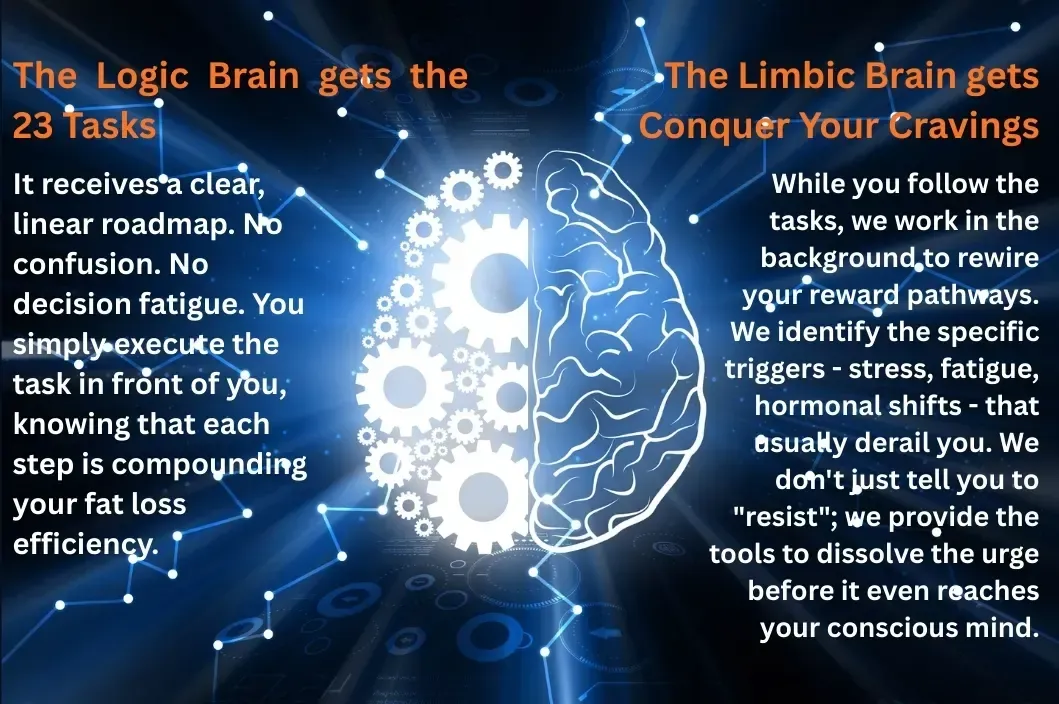
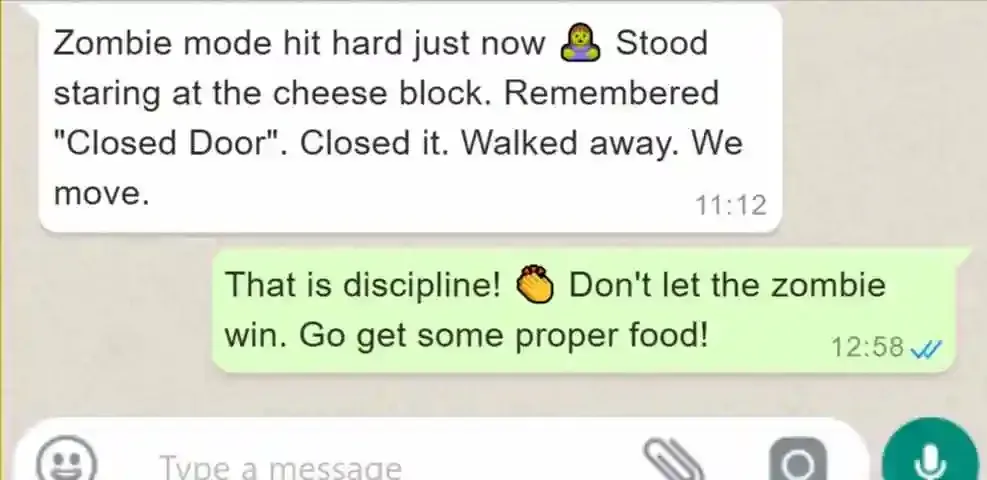
By following the 23 Tasks method, you remove the need for daily decision-making around food and exercise. Instead of battling cravings or forcing yourself to follow rigid rules, you naturally develop behaviors that support your goals. This is what makes the method so effective for long-term weight loss and maintenance.
Why Traditional Diets Fail and How the 23 Tasks method is Different
Many people start a diet with enthusiasm, only to struggle after a few weeks. This isn’t due to a lack of effort but rather the flaws in traditional dieting itself. Most weight loss plans focus on extreme calorie cuts, rigid meal plans, or unrealistic expectations, none of which are sustainable long-term.
The Problem with Traditional Diets
Most diets fail because they:
Require drastic changes that are hard to maintain
Rely on short-term willpower rather than long-term habits
Make food feel restrictive, leading to cravings and overeating
Lack flexibility, making it difficult to fit into real life
Do not teach the skills needed for weight maintenance
A major issue is the “yo-yo dieting” effect, where people lose weight quickly but regain it once they return to normal eating. A long-term study on weight loss maintenance found that only about 20% of individuals who lose weight through traditional dieting keep it off for more than a year.
Why the 23 Tasks Method Works When Diets Don’t
The 23 Tasks Method avoids the usual diet pitfalls by focusing on gradual, lasting changes. Instead of relying on unsustainable restrictions, it teaches practical skills for long-term success.
No extreme food rules – You learn to make better choices instead of cutting out entire food groups
Built for real life – It adapts to your schedule, whether you cook at home or eat out
Step-by-step progression – Each task builds on the last, making it easier to adjust over time
No reliance on willpower – Habits form naturally, so healthy eating becomes second nature
By addressing the root causes of weight gain rather than just focusing on temporary fixes, the 23 Tasks method provides a framework for lasting weight control.
How Small Daily Decisions Lead to Big Results
Many people assume that weight loss comes from making a few big changes, like cutting out carbs or following an intense workout plan. In reality, the biggest impact comes from small daily decisions that add up over time.
The Impact of Small, Consistent Choices
Research on habit-based weight loss suggests that small changes have a compounding effect. A study on lifestyle habits and weight management found that people who made gradual, sustainable changes were more successful in maintaining weight loss than those who followed strict diet plans.
For example, simply choosing a higher-protein snack instead of a sugary one, drinking a glass of water before meals, or walking an extra 10 minutes each day can contribute to long-term fat loss without drastic effort.
How the 23 Tasks Method Builds Momentum
The 23 Tasks method is designed around this principle of small, daily improvements. Instead of overwhelming changes, it encourages:
Tiny adjustments that fit into your routine
Slow but steady habit-building to reduce reliance on motivation
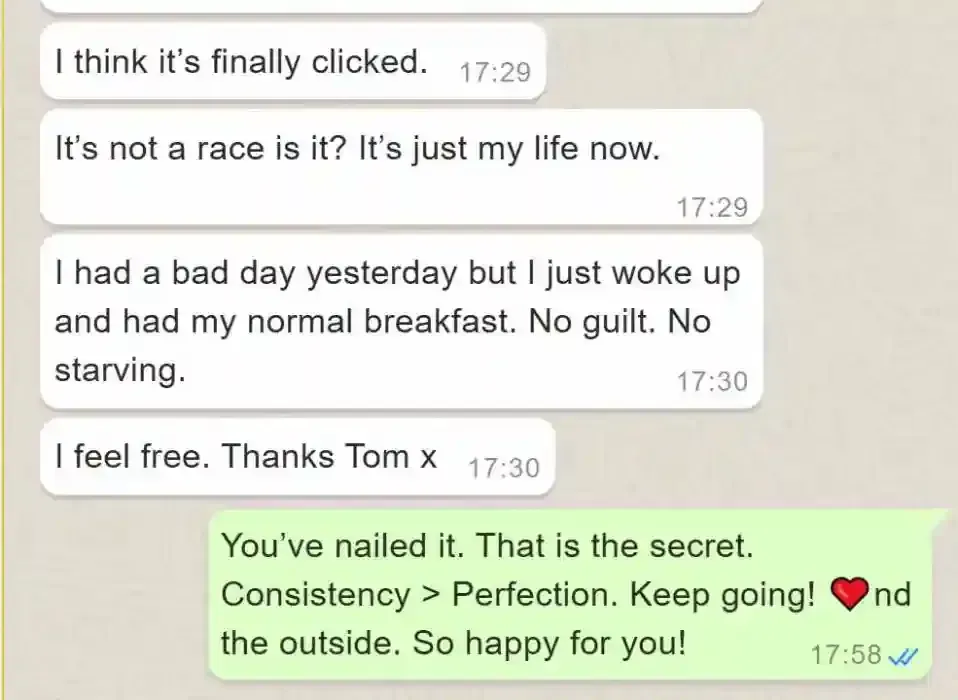
A focus on progress over perfection, preventing burnout
By making small, sustainable choices each day, you create a natural weight loss process that doesn’t feel like a struggle. Over time, these decisions become second nature, leading to permanent, effortless results.
Our latest articles
Is fruit making you fat? Everything you need to know about fruit for weight loss
How to set realistic weight loss goals?
How do I build consistent healthy habits for weight loss?
What are effective strategies for managing cravings?
Why Motivation Alone Won’t Work – and What Actually Does
Many people believe they just need more motivation to lose weight. They think if they could stay disciplined, they’d finally reach their goals. But the truth is, motivation is unreliable. It fluctuates based on mood, stress, and life circumstances. That’s why relying on it alone almost always leads to failure.
The Problem with Relying on Motivation
Motivation feels strong at first but fades over time. Studies show that willpower is a limited resource, a psychological concept known as ego depletion. A study on self-control found that people who relied on willpower alone were more likely to give in to temptations as the day progressed, especially when under stress.
Common problems with motivation-based dieting:
It’s inconsistent – Some days, you feel motivated; other days, you don’t
It leads to guilt – When motivation fades, people blame themselves for “failing”
It’s affected by stress – Willpower weakens when you’re tired or overwhelmed
It doesn’t address habits – When motivation runs out, old eating patterns return
What Actually Works: Building Systems and Habits
Instead of relying on motivation, the key to lasting weight loss is creating automatic habits. The 23 Tasks Method does this by:
Focusing on small, daily actions rather than bursts of effort
Making healthy choices automatic, so they don’t require constant decision-making
Eliminating the need for willpower by designing an environment that supports success

How to Make Weight Loss Feel Effortless
Many people think losing weight requires constant effort, but when done correctly, it should feel natural. The secret is making small, smart adjustments that fit into your life instead of forcing drastic changes.
The Power of Environmental Design
One of the easiest ways to make weight loss effortless is by shaping your surroundings. A study on food environment and behavior found that simply keeping healthier food within reach led to better eating habits without requiring extra willpower.
How the 23 Tasks Method Removes Effort
Unlike traditional diets that demand constant mental effort, the 23 Tasks method:
Builds habits gradually, so they feel natural rather than forced
Creates routines that work with your life, not against it
Focuses on sustainable changes that don’t require constant willpower
By designing your environment and daily habits strategically, weight loss stops feeling like a battle and becomes a seamless part of your everyday life.
FAQ: Common Questions about the 23 Tasks to Weight Loss
1. What is the 23 Tasks Weight Loss method?
The 23 Tasks Weight Loss Method is a habit-based approach that helps you lose weight by making small, sustainable changes instead of following restrictive diets.
2. How does the 23 Tasks method work?
It introduces one small, manageable change at a time, allowing you to build habits that lead to long-term weight loss without extreme restrictions.
3. What makes the 23 Tasks method different from traditional diets?
Unlike traditional diets that rely on willpower and drastic changes, this method focuses on gradual habit formation, making it easier to maintain results.
4. Why do most diets fail?
Most diets fail because they rely on strict rules, extreme calorie restriction, and willpower, which are difficult to sustain long-term.
5. Is the 23 Tasks method backed by research?
Yes, studies on behavioral weight loss show that structured, habit-based approaches lead to better long-term results than restrictive dieting.
6. Do I need to eliminate food groups to follow this method?
No, the 23 Tasks method focuses on making better choices, not cutting out entire food groups.
7. How long does it take to see results?
Even though it’s built for long term, sustainable weight loss, you will start to see results very quickly after starting the 23 Tasks program.
8. Can I follow this method if I eat out often?
Yes, the method provides flexible strategies that work whether you cook at home or eat out regularly.
9. Why do small habit changes work better than big ones?
Small changes are easier to maintain and gradually reshape your automatic behaviors, making weight loss feel effortless over time.
10. Does this method require exercise?
Intensive exercise is absolutely NOT necessary. The gym is not necessary. Walking, even at a gentle pace, will see you reach your maximum fat loss potential.
11. How does the 23 Tasks method help prevent weight regain?
By building long-term habits instead of relying on willpower, the method ensures that weight loss is sustainable.
12. What role does willpower play in weight loss?
Willpower is unreliable for long-term success. The 23 Tasks Method removes the need for willpower by creating automatic, healthy behaviors.
13. How does this method fit into a busy lifestyle?
The tasks are designed to be simple and adaptable, so they work even with a hectic schedule.
14. Can I still enjoy my favorite foods with this method?
Yes! The method promotes moderation and mindful eating rather than deprivation.
15. How does the method keep me motivated?
Instead of relying on motivation, it helps you create systems that make healthy choices automatic.
16. How do small daily decisions impact weight loss?
Research shows that small, consistent changes have a compounding effect, leading to significant results over time.
17. How can I make weight loss feel effortless?
By shaping your environment and habits strategically, healthy choices become second nature without requiring constant effort.
References
1.Wing, R. R., & Hill, J. O. (2001). "Successful weight loss maintenance." Annual Review of Nutrition, 21, 323–341. Link
2.Lally, P., van Jaarsveld, C. H. M., Potts, H. W. W., & Wardle, J. (2010). "How are habits formed: Modelling habit formation in the real world." European Journal of Social Psychology, 40(6), 998–1009. Link
3.Mann, T., Tomiyama, A. J., Westling, E., Lew, A.-M., Samuels, B., & Chatman, J. (2007). "Medicare's search for effective obesity treatments: Diets are not the answer." American Psychologist, 62(3), 220–233. Link
4.Baumeister, R. F., Bratslavsky, E., Muraven, M., & Tice, D. M. (1998). "Ego depletion: Is the active self a limited resource?" Journal of Personality and Social Psychology, 74(5), 1252–1265. Link
5.Story, M., Kaphingst, K. M., Robinson-O'Brien, R., & Glanz, K. (2008). "Creating healthy food and eating environments: Policy and environmental approaches." Annual Review of Public Health, 29, 253–272. Link
6.Leahey, T. M., Wing, R. R., & Jeffery, R. W. (2015). "Comparing common dietary alternatives for weight loss: The impact of adherence on outcomes." Health Education Research, 30(3), 392–401. Link
7.Dombrowski, S. U., Knittle, K., Avenell, A., Araujo-Soares, V., & Sniehotta, F. F. (2014). "Long term maintenance of weight loss with non-surgical interventions in obese adults: Systematic review and meta-analyses of randomised controlled trials." BMJ, 348, g2646. Link
8.Verplanken, B., & Wood, W. (2006). "Interventions to break and create consumer habits." Journal of Public Policy & Marketing, 25(1), 90–103. Link
9.Polivy, J., & Herman, C. P. (2002). "If at first you don't succeed: False hopes of self-change." American Psychologist, 57(9), 677–689. Link
10. Gollwitzer, P. M., & Sheeran, P. (2006). "Implementation intentions and goal achievement: A meta‐analysis of effects and processes." Advances in Experimental Social Psychology, 38, 69–119. Link
11. Neal, D. T., Wood, W., & Drolet, A. (2013). "How do people adhere to goals when willpower is low? The profits (and pitfalls) of strong habits." Journal of Personality and Social Psychology, 104(6), 959–975. Link
12. Kirkpatrick, S. I., & Collins, C. E. (2016). "Assessment of nutrient intakes: Introduction to the special issue." European Journal of Clinical Nutrition, 70(3), 285–286. Link
13. Gardner, B., Lally, P., & Wardle, J. (2012). "Making health habitual: The psychology of 'habit-formation' and general practice." British Journal of General Practice, 62(605), 664–666. LinkPMC
14. Hagger, M. S., Wood, C., Stiff, C., & Chatzisarantis, N. L. D. (2010). "Ego depletion and the strength model of self-control: A meta-analysis." Psychological Bulletin, 136(4), 495–525. Link
15. Hill, J. O., & Peters, J. C. (1998). "Environmental contributions to the obesity epidemic." Science, 280(5368), 1371–1374. Link
16. Schunk, D. H., & DiBenedetto, M. K. (2016). "Self-efficacy theory in education." Handbook of Motivation at School, 34–54. Link
17. Lyubomirsky, S., Sheldon, K. M., & Schkade, D. (2005). "Pursuing happiness: The architecture of sustainable change." Review of General Psychology, 9